

AI Virtual Assistants: Your Ultimate Guide to ai assistant features
- Joe K

- Jan 6
- 4 min read
Updated: Feb 17
In today’s fast-paced world, technology is evolving rapidly, and one of the most exciting advancements is the rise of AI virtual assistants. These intelligent tools are transforming how we manage daily tasks, communicate, and even run businesses. Whether you want to streamline your schedule, automate customer service, or simply get quick answers, AI virtual assistants offer a powerful solution.
This guide will walk you through the essential ai assistant features, how they work, their benefits, and practical tips to get the most out of them. By the end, you’ll have a clear understanding of how these digital helpers can make your life easier and more productive.
Understanding ai assistant features: What makes them so powerful?
AI virtual assistants are software programs designed to perform tasks or services based on user commands or questions. They use natural language processing (NLP), machine learning, and sometimes voice recognition to interact with users in a human-like manner.
Some of the key ai assistant features include:
Voice recognition and speech synthesis: Allows the assistant to understand spoken commands and respond verbally.
Natural language understanding: Enables the assistant to comprehend context, intent, and nuances in human language.
Task automation: From setting reminders to booking appointments, AI assistants can handle repetitive tasks efficiently.
Integration with apps and devices: They connect with calendars, smart home devices, email, and more to provide seamless assistance.
Personalisation: AI learns user preferences over time to offer tailored suggestions and responses.
For example, a smart home assistant can adjust your thermostat, play your favourite music, and remind you of meetings, all through simple voice commands. Businesses use AI assistants to handle customer queries, freeing up human agents for more complex issues.

How AI virtual assistants improve productivity and convenience
The practical benefits of AI virtual assistants are vast. Here are some ways they enhance daily life and work:
Time-saving: Automating routine tasks like scheduling, email sorting, and information retrieval saves valuable time.
Accessibility: Voice commands make technology accessible to people with disabilities or those who prefer hands-free interaction.
24/7 availability: Unlike humans, AI assistants can operate around the clock without breaks.
Improved accuracy: AI reduces human error in tasks such as data entry or reminders.
Enhanced customer experience: Businesses can provide instant responses and personalised support.
Consider a busy professional who uses an AI assistant to manage meetings, send follow-up emails, and get real-time traffic updates. This reduces stress and increases efficiency. Similarly, a retailer might deploy an AI chatbot on their website to answer common questions instantly, improving customer satisfaction.
How much do AI voice assistants cost?
The cost of AI voice assistants varies widely depending on the type, features, and intended use. Here’s a breakdown:
Consumer devices: Popular smart speakers like Amazon Echo or Google Nest typically range from £30 to £150. These come with built-in AI assistants ready to use.
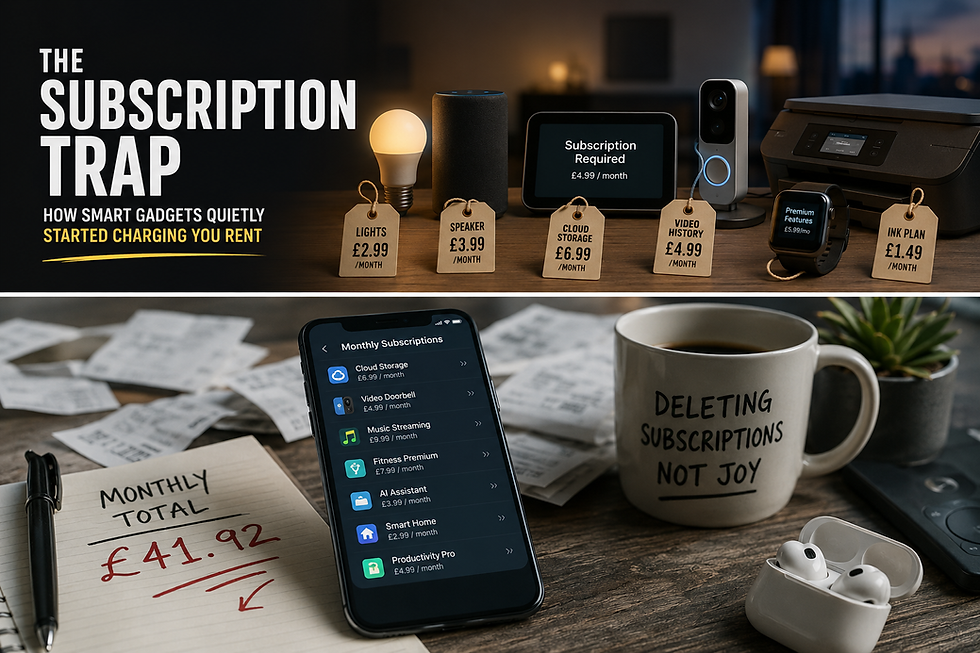
Subscription services: Some AI assistants offer premium features or integrations for a monthly fee, usually between £5 and £30.
Custom business solutions: Developing or licensing AI virtual assistant software tailored for enterprises can cost from a few hundred to thousands of pounds, depending on complexity.
Free options: Many smartphones and computers have built-in AI assistants like Siri or Cortana at no extra cost.
When choosing an AI assistant, consider your needs carefully. For personal use, a basic smart speaker might suffice. For business applications, investing in a custom solution could provide better ROI through automation and improved customer engagement.

Tips for choosing the right AI virtual assistant for your needs
Selecting the best AI virtual assistant depends on several factors. Here are some practical tips:
Define your goals: Are you looking for personal convenience, business automation, or customer support? Your purpose will guide your choice.
Check compatibility: Ensure the assistant works with your existing devices and software.
Evaluate privacy and security: Review data handling policies to protect sensitive information.
Test usability: Try demos or free versions to see how intuitive and responsive the assistant is.
Consider language support: If you need regional language or accent recognition, verify the assistant’s capabilities.
Look for scalability: For businesses, choose solutions that can grow with your needs.
For example, if you want an assistant primarily for managing your home, a consumer smart speaker with voice control might be ideal. If you run an online store, a chatbot integrated with your website and CRM system could be more effective.
Future trends in AI virtual assistants
The field of AI virtual assistants is evolving rapidly, with exciting trends on the horizon:
More natural conversations: Advances in NLP will make interactions feel even more human-like.
Emotional intelligence: AI will better understand user emotions and respond empathetically.
Multimodal interfaces: Combining voice, text, and visual inputs for richer communication.
Greater personalization: AI will anticipate needs and preferences proactively.
Industry-specific assistants: Tailored solutions for healthcare, finance, education, and more.
Improved privacy controls: Enhanced user control over data and transparency.
These developments will make AI virtual assistants indispensable tools in both personal and professional contexts.
AI virtual assistants are no longer just futuristic concepts - they are practical tools that can simplify your life and boost productivity. By understanding their features, costs, and how to choose the right one, you can harness their full potential. Whether for managing daily tasks or transforming business operations, these intelligent assistants are here to stay and evolve.
Explore more about how an ai virtual assistant can revolutionise your routine today.


Comments